Description
A Buyer’s Guide: Sourcing Pork Ears and Ear Flaps Wholesale
In the global protein market, the most successful distributors and processors understand that value is not limited to prime cuts. Byproducts and offal, once overlooked, have become significant profit centers. Pork ears and the closely related frozen pork ear flaps are prime examples of this trend. Driven by demand from the pet food industry and specific culinary markets, these items are now essential inventory for any serious B2B meat supplier.
While a simple search for “pork ears near me” might serve a small-scale retail need, it falls far short of the requirements for commercial operations. B2B buyers require volume, consistency, and a verifiable safety record that only professional wholesale suppliers can provide. This guide offers a strategic roadmap for sourcing pork ears and ear flaps, detailing their applications, the advantages of bulk purchasing, and how to vet reliable partners in a global marketplace.
The Dual-Demand for Pork Ears and Ear Flaps
The commercial value of pork ears and ear flaps is rooted in their appeal to two distinct, high-volume industries. This dual demand ensures market stability and provides multiple revenue streams for distributors.
The Pet Treat Powerhouse
The primary market for both pork ears and frozen pork ear flaps is the booming pet treat sector. Dehydrated or smoked, these products are a staple for dog owners globally.
- Natural and Healthy: They are a single-ingredient, high-protein chew rich in collagen, glucosamine, and chondroitin, which support canine joint health.
- Dental Benefits: The tough, cartilaginous texture helps to scrape away plaque and tartar as dogs chew, promoting better dental hygiene.
- High Value: As a long-lasting, satisfying chew, they command a premium price in pet stores, making them a profitable item for manufacturers.
For pet food producers, securing a consistent supply of clean, high-quality raw ears and flaps is the first and most critical step in their production chain.
Niche Culinary Applications
While less common in mainstream Western cuisine, pig ears are a prized ingredient in many global food traditions.
- Asian Cuisine: In China and Southeast Asia, pig ears are often braised, chilled, and sliced thin for cold appetizers, valued for their unique crunchy and gelatinous texture.
- Latin and European Dishes: In Spain, grilled pig’s ear (oreja a la plancha) is a popular tapas dish. In the Philippines and parts of Latin America, they are fried, stewed, or pickled.
- Soul Food Tradition: In the Southern United States, boiled or fried pig ears are a classic soul food delicacy.
Distributors who can source food-grade ears can tap into these specialized and often high-margin restaurant and ethnic grocery markets.
Sourcing Strategy: Why “Pork Ears Near Me” Is Not Enough
For B2B buyers needing pallets or container loads, the local sourcing model is inefficient and risky. A professional wholesale strategy is the only way to achieve scale and profitability.
The Limits of Local Sourcing
A search for “pork ears near me” will likely lead to local butchers or small abattoirs. This approach has significant drawbacks for commercial buyers:
- Inconsistent Volume: Local facilities cannot generate the quantity of ears and flaps needed to fulfill large, recurring orders for manufacturing or distribution.
- Lack of Standardization: Smaller operations often lack the equipment to ensure uniform cleaning, trimming, or sorting, leading to inconsistent raw material for your production line.
- Higher Costs: Without economies of scale, the per-unit price from a local source is almost always higher than that from a wholesale supplier.
The Wholesale Advantage
Partnering with large-scale international packers and suppliers provides several key benefits:
- Economies of Scale: Purchasing frozen pork ear flaps and whole ears by the container load (FCL) directly from major producers in regions like the USA, Spain, or Brazil drastically reduces the cost per unit.
- Guaranteed Specifications: Wholesale suppliers use industrial processing lines to deliver products that meet precise requirements, such as removing the inner ear canal (punching) or providing specific cuts like the ear flap.
- Supply Chain Security: Establishing contracts with global suppliers protects your business from the price volatility and supply disruptions that can plague local markets.
A Vetting Framework for Wholesale Suppliers
Finding a supplier online is easy; verifying their reliability requires careful due diligence. Use this professional checklist to evaluate potential partners before committing to a purchase.
1. Mandate Verifiable Food Safety Certifications
In the meat trade, especially with byproducts, trust is built on certification. Never work with a supplier who cannot provide proof of their food safety management systems.
- HACCP Plan: A Hazard Analysis Critical Control Point plan is the non-negotiable global standard for managing food safety risks.
- GFSI-Recognized Certification: Look for suppliers holding certifications from the Global Food Safety Initiative, such as BRCGS, SQF, or FSSC 22000. These demonstrate a world-class commitment to safety and quality.
- Establishment Approval Number: Every legitimate export plant has a unique registration number. You must verify this plant is approved for import into your country through official government portals like the USDA Food Safety and Inspection Service (FSIS) or your country’s equivalent.
2. Scrutinize Product and Processing Specifications
The quality of your raw material dictates the quality of your finished product. Ask specific questions about their processes.
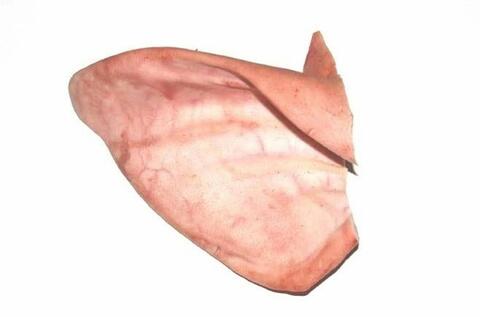
- Product Form: Be precise. Do you need whole ears, or are you specifically sourcing frozen pork ear flaps (the base of the ear)? A professional supplier can separate and pack these items individually.
- Cleaning Process: Ask about their scalding, tumbling, and de-hairing methods. A perfectly clean product, free from hair and debris, is a critical quality standard and a common reason for shipment rejection.
- Freezing Technology: As the Food and Agriculture Organization (FAO) notes, rapid freezing is essential for meat quality. Confirm the supplier uses blast freezers to bring the product to a core temperature of -18°C (0°F), which inhibits microbial growth and preserves texture. pork ears near me, frozen pork ear flaps
3. Assess Logistics and Trade Competence
A great price is worthless if the product is damaged in transit or held up at the port.
- Unbroken Cold Chain: The supplier must guarantee the cold chain from their plant to your facility. Insist on the use of temperature data loggers in every shipping container as verifiable proof of compliance.
- Documentation Expertise: International trade involves complex paperwork (Health Certificates, Certificates of Origin, etc.). Your partner must be an expert in preparing these documents accurately to avoid costly delays and demurrage fees.
- Incoterms Clarity: Be clear on the shipping terms. Understanding your responsibilities under globally recognized rules like FOB (Free on Board) or CIF (Cost, Insurance, and Freight), as defined by the International Chamber of Commerce (ICC), is vital for managing financial risk.
Conclusion: From Byproduct to Strategic Asset
For the modern B2B buyer, sourcing pork ears and ear flaps is a strategic activity that can significantly boost profitability. These versatile items serve large, stable markets and offer excellent margins for those who can secure a reliable supply chain. pork ears near me, frozen pork ear flaps
Success requires moving beyond simple local searches for “pork ears near me” and building strong partnerships with certified, professional wholesale suppliers. By prioritizing food safety, demanding precise specifications, and leveraging the economic power of bulk purchasing, you can transform this humble byproduct into a powerful and consistent revenue stream for your business. pork ears near me, frozen pork ear flaps.