Description
Sourcing Pork Ribs and Belly: A B2B Buyer’s Guide
In the competitive landscape of meat distribution, staying ahead means mastering the most in-demand cuts. Pork ribs and pork belly stand as two pillars of profitability, driving menus from fast-casual BBQ joints to high-end bistros. For procurement managers, the central challenge is not just finding pork ribs for sale, but securing a consistent, high-quality supply chain for both ribs and belly. This dual focus is the key to servicing a broad customer base and maximizing margins.
While a local search for a pork belly supplier near me might yield options for a small restaurant, B2B buyers operate on a scale that demands a more sophisticated strategy. This guide provides a comprehensive roadmap for distributors and wholesalers, exploring the value of these popular cuts, the pros and cons of local versus global sourcing, and the critical steps for vetting a reliable supply partner. Knowing where to buy pork ribs and belly in volume is a strategic advantage that can define your success.
The Undeniable Appeal of Pork Ribs and Belly
The global appetite for pork ribs and belly is driven by their unparalleled flavor, texture, and versatility. These cuts are not just products; they are culinary experiences that command customer loyalty and premium pricing.
The Reign of Pork Ribs
Pork ribs are synonymous with comfort, celebration, and culinary craft. Their popularity is a constant, ensuring steady demand.
- BBQ Culture: From St. Louis-style spareribs to tender baby backs, ribs are the undisputed king of American barbecue. The rich marbling and connective tissue break down during slow cooking, creating a succulent, fall-off-the-bone texture.
- Global Flavors: Beyond BBQ, pork ribs are a staple in Asian cuisine (braised in black bean sauce) and Latin American dishes (stewed with vegetables).
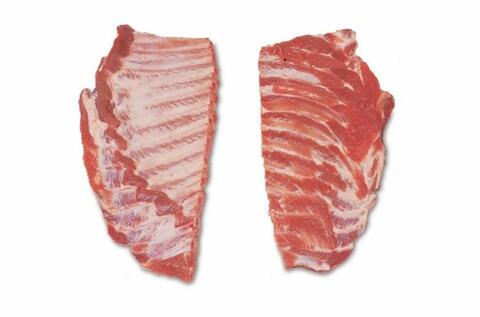
- Specific Cuts for Specific Needs: A knowledgeable supplier can offer various cuts, including spareribs (from the belly), St. Louis Style (spareribs with the sternum bone and cartilage removed), and baby back ribs (from the loin).
The Power of Pork Belly
Pork belly has evolved from a simple bacon source into a global culinary superstar.
- Bacon and Beyond: While it remains the foundation for bacon, its applications have expanded dramatically. Crispy pork belly appetizers, succulent braised entrees, and authentic Korean samgyeopsal are now menu standards.
- Unmatched Texture and Flavor: The perfect layering of fat and meat allows for a dual texture experience—a crispy, rendered exterior with a meltingly tender interior. This rich flavor profile makes it a highly sought-after ingredient.
For a distributor, having a reliable source for both pork ribs for sale and high-quality belly means you can meet the needs of nearly every segment of the food service industry.
Sourcing Strategies: Local vs. Wholesale
When determining where to source these valuable cuts, buyers face a critical choice between local suppliers and large-scale wholesale partners.
The “Pork Belly Supplier Near Me” Approach
Building relationships with local or regional packers can offer some advantages, such as reduced freight costs and the ability to support local businesses. However, for B2B operations requiring significant volume, this model presents challenges:
- Volume Inconsistency: Local abattoirs may not be able to guarantee the sheer tonnage of ribs and bellies required for large distribution networks or restaurant chains.
- Specification Variance: Smaller operations often lack the advanced processing and sorting equipment to deliver consistent cuts (e.g., uniform weight ranges for bellies or precise trim on St. Louis ribs), leading to production inefficiencies for the end user.
The Wholesale Advantage
To achieve scale, consistency, and cost-effectiveness, a wholesale procurement strategy is essential. Partnering with a major international supplier offers several key benefits:
- Economies of Scale: Purchasing Full Container Loads (FCL) directly from packers in major pork-producing regions (like the US, Brazil, or Spain) dramatically lowers the per-unit cost.
- Product Standardization: Large wholesale suppliers use automated lines to sort ribs by weight and trim bellies to exact specifications (e.g., sheet ribbed, single ribbed). This consistency is vital for portion control and predictable cooking times in commercial kitchens.
- Supply Chain Security: Long-term contracts with a global supplier protect your business from the price volatility and seasonal shortages that can affect a local pork belly supplier near me.
A Buyer’s Checklist for Vetting Suppliers
Finding a supplier online is easy; finding a reliable one requires rigorous due diligence. Use this checklist to protect your business and ensure you receive a quality product every time.
1. Non-Negotiable Certifications
Never engage with a supplier who cannot provide verifiable proof of their food safety credentials.
- HACCP: A Hazard Analysis Critical Control Point plan is the global benchmark for food safety management.
- GFSI-Recognized Certification: Look for standards like BRCGS, SQF, or FSSC 22000. These demonstrate a top-tier, internationally recognized commitment to safety and quality.
- Establishment Number: Every legitimate export facility has a unique registration number. You must verify that this plant is approved for export to your country through official channels like the USDA Food Safety and Inspection Service (FSIS).
2. Scrutinize Processing and Product Specifications
The details matter. A quality supplier can meet precise product specifications.
- For Ribs: Be clear on the cut you need. Is it St. Louis Style (IMPS 416A) or Spareribs (IMPS 416)? Do you need the membrane removed?
- For Belly: Specify your trim. Are you looking for skin-on or skinless? What is the required weight range (e.g., 9-11 lbs)? The lean-to-fat ratio is also a critical specification for bacon processors.
- Freezing Technology: As highlighted by the Food and Agriculture Organization (FAO), rapid blast freezing to -18°C (0°F) is crucial for preserving the texture of meat and preventing quality degradation.
3. Evaluate Logistics and Trade Expertise
A great product can be ruined by poor logistics.
- Cold Chain Integrity: The supplier must guarantee an unbroken cold chain from their warehouse to your destination. Insist on the use of temperature data loggers inside the shipping container as proof.
- Documentation Proficiency: Your partner must be an expert in preparing all necessary export documents, including Health Certificates and Certificates of Origin. Errors here lead to costly delays and demurrage fees at the port.
- Incoterms: Be clear on your shipping terms. Understanding your liabilities under rules like FOB (Free on Board) or CIF (Cost, Insurance, and Freight) is crucial for managing risk. The International Chamber of Commerce (ICC) provides the definitive guide to these trade terms.
Conclusion: Building a Winning Pork Program
The search for where to buy pork ribs and belly is a strategic exercise that can significantly impact your business’s success. These cuts are not just commodities; they are menu-driving powerhouses that command customer loyalty and support premium pricing. pork ribs for sale, where to buy pork ribs, pork belly supplier near me
While finding a pork belly supplier near me can be a starting point, scaling your operation requires a professional wholesale strategy. By focusing on certified international suppliers, demanding precise specifications, and leveraging the power of bulk purchasing, you can build a resilient and highly profitable supply chain. This approach turns popular pork cuts into a powerful tool for business growth, allowing you to meet diverse market demands and enhance your company’s bottom line. pork ribs for sale, where to buy pork ribs, pork belly supplier near me