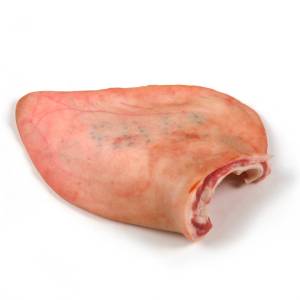
Description
A Buyer’s Guide: Finding Pig Ears Wholesale Suppliers
In the global trade of animal products, success often comes from recognizing value where others see byproducts. Pig ears, once a low-value offal item, have transformed into a sought-after commodity. This shift is driven by massive demand from the pet treat industry and consistent use in specific culinary markets worldwide. For importers, distributors, and manufacturers, the question of where to buy pig ears from reliable sources has become a critical strategic concern.
Sourcing this product effectively requires moving beyond local channels and engaging with professional pig ears wholesale suppliers. These partners can provide the volume, consistency, and safety assurances necessary for large-scale operations. This guide offers a professional roadmap for B2B buyers, detailing the market drivers for pig ears, the economic benefits of bulk purchasing, and a framework for vetting suppliers in a competitive global landscape.
The Dual-Engine Market for Pig Ears
The consistent demand for pig ears stems from their popularity in two very different, yet powerful, sectors: the pet industry and the human food chain. A smart distributor can service both.
The Pet Treat Powerhouse
The single largest driver for the pig ear market is the ever-expanding pet treat industry. Smoked or dehydrated pig ears are a staple in pet stores globally, prized by dog owners for a variety of reasons. They are a natural source of protein and collagen, which supports joint health. The tough, chewy texture helps clean teeth by reducing plaque and tartar buildup. Most importantly, they provide a long-lasting, satisfying chew that keeps dogs engaged. For pet food manufacturers, securing a steady stream of clean, high-quality raw ears is the foundation of their business.
A Global Culinary Delicacy
Beyond the pet aisle, pig ears are a valued ingredient in many culinary traditions. This creates high-margin opportunities for food service distributors who know their market. In China, braised and chilled pig ears are a popular appetizer known for their unique crunchy and gelatinous texture. In Spain, oreja de cerdo a la plancha (grilled pig’s ear) is a common tapas dish. Throughout Latin America and the Southern United States, pig ears are stewed, fried, or pickled, holding a special place in regional comfort food.
The Strategic Imperative to Buy Wholesale
For any B2B buyer, attempting to source pig ears from local butchers or small abattoirs is an unsustainable model. The yield per animal is low, quality control is often minimal, and volume is inconsistent. The only path to profitability and scale is through wholesale channels.
Unlocking Economies of Scale
The most compelling reason to work with pig ears wholesale suppliers is the significant reduction in per-unit cost. By purchasing Full Container Loads (FCL) directly from major pork packers in producing regions like the USA, Europe, or South America, you eliminate the markups from multiple layers of middlemen. This direct-sourcing model is essential for staying price-competitive in the pet treat industry and protecting margins in food service.
Ensuring Product Standardization and Safety
High-volume operations cannot tolerate inconsistency. Professional wholesale suppliers use industrial processes to deliver a uniform product that meets exact specifications. They can provide ears that are sorted by size, punched to remove the ear canal, and processed according to specific hygiene standards. A reputable supplier’s rigorous scalding, de-hairing, and cleaning protocols reduce your own company’s labor costs and, more importantly, mitigate food safety risks.
Where to Buy Pig Ears: A Vetting Framework for Suppliers
The digital age makes it easy to find a list of potential suppliers online, but true B2B procurement requires rigorous vetting. Use this checklist to evaluate potential partners and ensure you are building a resilient supply chain.
1. Demand Verifiable Food Safety Certifications
In the meat trade, especially with byproducts, trust is built on documentation. Never commit to a purchase order without proof of a supplier’s food safety credentials.
- HACCP: A Hazard Analysis Critical Control Point plan is the baseline international standard for food safety management.
- GFSI-Recognized Certifications: Look for suppliers who hold certifications benchmarked by the Global Food Safety Initiative, such as BRCGS, SQF, or FSSC 22000. These are the gold standard and demonstrate a commitment to world-class safety and quality control.
- Establishment Approval: Every legitimate export facility has a unique plant number. You must verify that this establishment is approved to export to your destination country. Government bodies like the USDA Food Safety and Inspection Service (FSIS) or the UK’s Food Standards Agency maintain public databases for this purpose.
2. Scrutinize Product Specifications and Processing
The quality of your finished product depends on the raw material. Ask specific technical questions about how the pig ears are processed.
- Cleaning Process: Ask about their methods for scalding and de-hairing. A clean ear, free of residual hair, is a critical quality parameter and a major reason for shipment rejection.
- Physical Specifications: Be clear about your needs. Do you require the ear canal to be punched out? Do you need whole ears or a specific cut? A professional supplier can meet these precise requirements.
- Freezing Technology: As the Food and Agriculture Organization (FAO) highlights, rapid freezing is essential for preserving meat quality. Confirm that the supplier uses blast freezers to bring the product to a core temperature of -18°C (0°F), which inhibits bacterial growth and maintains product integrity.
3. Assess Logistics and Trade Expertise
A great price means nothing if the product arrives spoiled or gets stuck in customs.
- Unbroken Cold Chain: Your supplier must guarantee the cold chain from their plant to your port. Insist on the use of temperature data loggers inside every shipping container as verifiable proof.
- Documentation Proficiency: International trade is complex. Your partner must be an expert in preparing all necessary documents, including Health Certificates and Certificates of Origin. Inaccurate paperwork is a leading cause of costly port delays. pig ears wholesale suppliers, where to buy pig ears
- Trade Terms: Clarify your Incoterms. Understanding your rights and responsibilities under globally recognized rules like FOB (Free on Board) or CIF (Cost, Insurance, and Freight) is crucial for managing financial risk. The International Chamber of Commerce (ICC) provides the official rules.
Conclusion: Transform a Byproduct into a Profit Center
The search for where to buy pig ears is a strategic activity that can yield significant returns for your business. This versatile byproduct serves two massive and stable markets, making it a reliable revenue driver for savvy distributors and manufacturers. pig ears wholesale suppliers, where to buy pig ears
Success depends on moving beyond transactional spot buys to build lasting partnerships with certified, professional pig ears wholesale suppliers. By prioritizing food safety, demanding precise product specifications, and leveraging the economic power of bulk purchasing, you can build a resilient supply chain. This diligent approach will turn a humble commodity into a strategic asset for your company’s growth and profitability. pig ears wholesale suppliers, where to buy pig ears