Description
Where to Buy Pork Feet: A Wholesale Sourcing Guide
In the dynamic world of global meat trading, profitability often hinges on the ability to source high-volume items that serve stable, diverse markets. While premium cuts garner much of the attention, byproducts like pork feet—often referred to as trotters—are quiet powerhouses of the industry. For distributors and importers, knowing where to buy pork feet is not just a tactical detail; it is a strategic necessity for servicing a wide range of culinary and industrial clients.
The demand for wholesale pork feet is driven by deep-rooted culinary traditions across Asia, Africa, and the Americas, as well as the industrial need for gelatin and collagen extraction. However, navigating the global supply chain to find consistent quality and volume can be challenging. This guide provides a comprehensive roadmap for B2B buyers, exploring the economic value of pork feet, their diverse applications, and the critical steps for finding reliable suppliers when looking to make a pork feet buy.
The Global Demand for Pork Feet
Understanding the end-use of a product is essential for effective sourcing. Pork feet are unique because they are valued for their texture—specifically the skin, tendons, and cartilage—rather than their muscle meat. This characteristic drives demand in two distinct sectors.
A Culinary Staple Across Continents
Pork feet are a beloved ingredient in many of the world’s most populous regions.
- Asian Markets: In China and Southeast Asia, pork feet are a delicacy. They are often braised in soy sauce and spices (like Zhu Jiao) or used in soups to add body and richness. The gelatinous texture is highly prized.
- African and Caribbean Cuisines: In regions like West Africa and the Caribbean, trotters are essential for hearty stews and soups, providing flavor and thickening properties that lean meats cannot offer.
- European and American Traditions: From French pieds de porc to Southern-style pickled pigs’ feet in the USA, there remains a steady, traditional demand for this cut in Western markets as well.
Industrial Applications
Beyond the kitchen, pork feet are a primary raw material for the processing industry.
- Gelatin Production: The high collagen content in the skin and tendons makes pork feet an excellent source for producing food-grade gelatin, used in everything from gummy candies to pharmaceutical capsules.
- Stock and Broth Manufacturing: Industrial food processors use wholesale pork feet to create rich, natural pork stocks and bone broths, capitalizing on the “clean label” trend where consumers prefer natural ingredients over artificial flavor enhancers.
Why B2B Buyers Prioritize Wholesale Sourcing
For a commercial operation, sourcing pork feet from local, small-scale slaughterhouses is rarely viable. The yield per animal is low (only four feet per pig), and the processing requirements for cleaning are labor-intensive. To achieve the necessary volume and consistency, a wholesale strategy is mandatory.
Economies of Scale
The primary driver for seeking wholesale pork feet is cost efficiency. Purchasing Full Container Loads (FCL) directly from major packers in pork-producing powerhouses like the USA, Brazil, or the EU allows buyers to minimize unit costs. This margin protection is vital when supplying price-sensitive markets or industrial processors operating on thin margins.
Consistent Quality and Processing
Industrial buyers require uniformity. A reliable wholesale supplier uses automated scalding, de-hairing, and polishing equipment to ensure every foot meets strict specifications.
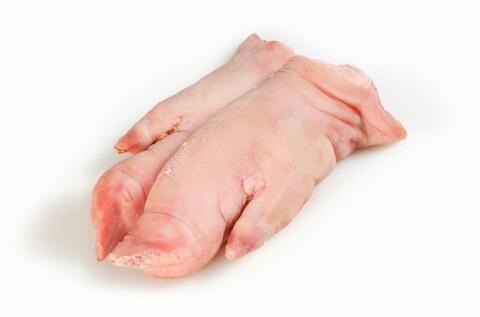
- Cleaning Standards: A major challenge with trotters is residual hair and scurf. Large-scale suppliers have the technology to deliver a “white,” clean product that is ready for immediate use or retail packaging.
- Cut Specifications: Whether you need “front feet” (shorter, more meat), “hind feet” (longer, more tendon), or “toes-off” processing, wholesale suppliers can sort and pack according to your exact needs.
Navigating the Market: Where to Buy Pork Feet
The digital age has streamlined the search for global meat suppliers, but it has also increased the need for due diligence. When you are ready to execute a pork feet buy, following a structured vetting process is crucial to protecting your investment.
1. Verify Food Safety and Export Credentials
Pork feet are susceptible to contamination if not handled correctly. Validating a supplier’s safety protocols is step one.
- HACCP Compliance: Ensure the supplier operates under a validated Hazard Analysis Critical Control Point plan.
- GFSI Benchmarking: Look for certifications like BRCGS, SQF, or FSSC 22000. These indicate that the facility meets the highest global standards for food safety.
- Establishment Authorization: Verify that the supplier’s plant number is approved for export to your specific destination. For instance, exporting to China requires specific listing by the GACC (General Administration of Customs of China). You can check US plant eligibility via the USDA FSIS Export Library.
2. Define Your Product Specifications
“Pork feet” is a broad category. To avoid disputes, be specific about what you are buying.
- Front vs. Hind: Front feet usually have higher muscle content, while hind feet are richer in tendon and bone. Know your customer’s preference.
- Toes and Length: Specify if you need the toes removed (tiptoes off) and the length of the cut (e.g., short cut at the joint vs. long cut including the hock).
- Appearance: For retail markets, the visual appeal is key. Specify requirements for color (white/clean), absence of hair, and lack of bruising or blemishes.
3. Evaluate Logistics and Cold Chain Integrity
The journey from the packing plant to your warehouse is where quality is preserved or lost.
- Freezing Method: Rapid freezing is non-negotiable. Confirm the product is blast-frozen to -18°C (0°F) to maintain freshness and texture.
- Packaging: Most wholesale pork feet are packed in 10kg or 20kg cartons. Ensure the packaging is “export grade”—robust enough to withstand stacking and ocean freight without crushing.
- Incoterms: Clearly define the terms of trade. Understanding your liability under Incoterms® 2020 (such as CIF vs. FOB) is essential for managing risk and insurance during transit.
Conclusion: Securing a Stable Supply Chain
The question of where to buy pork feet is about more than finding a vendor; it is about building a resilient supply chain that can withstand global market fluctuations. Whether feeding the demand for traditional cuisines or supplying raw materials for industrial processing, pork feet are a strategic asset in a diverse meat portfolio.
By moving beyond spot purchases and establishing relationships with certified, professional wholesale suppliers, B2B buyers can secure high-quality product at competitive prices. Prioritize safety, demand precise specifications, and leverage the power of global logistics. With these pillars in place, your business can turn this humble byproduct into a reliable engine for growth. where to buy pork feet, wholesale pork feet, pork feet buy