


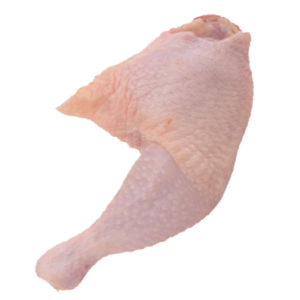
Description
Sourcing Frozen Poultry: A B2B Guide to Chicken Feet & Legs
For global food distributors, sourcing managers, and restaurant chains, the poultry market is a dynamic landscape of opportunity. While standard cuts like breasts and wings often dominate headlines, seasoned industry professionals know that the real margins—and specific regional demands—often lie elsewhere. Whether you are looking to buy frozen chicken feet for the booming Asian market or seeking a reliable source to buy chicken legs for mass-market retail, strategic procurement is the key to success.
Navigating the complexities of international trade, especially when targeting specific hubs like frozen chicken Hong Kong importers, requires more than just finding the lowest price. It demands a deep understanding of quality standards, logistics, and supplier reliability. This guide explores how B2B buyers can optimize their sourcing strategies for these high-demand products.
The Global Appeal of Chicken Feet and Legs
To the uninitiated, chicken feet might seem like a niche product. However, in the global poultry trade, they are a heavyweight category. Understanding the specific demand drivers for both feet and legs is crucial for any buyer looking to expand their portfolio.
The Delicacy Demand: Chicken Feet
Chicken feet (often referred to as “paws” depending on the cut) are a culinary staple in many cultures, particularly in China, Vietnam, and Hong Kong. They are prized for their unique texture and high collagen content. When you look to buy frozen chicken feet, you are tapping into a market that values specific quality markers:
- Visual Appeal: The best grade feet are white, clean, and free from feathers or yellow skin.
- Processing Standards: Buyers demand products without ammonia burns (black spots) or broken bones.
- Size Matters: larger feet often command a premium price in wholesale markets.
The Versatile Staple: Chicken Legs
On the other hand, chicken legs (comprising the drumstick and thigh) are a universal protein source. They offer a richer flavor than breast meat and are significantly more forgiving during cooking, making them a favorite for food service operators.
- Cost-Efficiency: Leg meat is often more affordable, allowing for competitive menu pricing.
- Culinary Flexibility: From roasting and grilling to braising in curries, legs are adaptable to almost any cuisine.
- Volume Drivers: Retailers frequently use chicken legs on sale as a loss leader to drive foot traffic, necessitating a steady, low-cost supply chain.
Strategic Sourcing for the Hong Kong Market
Hong Kong serves as a critical gateway for the global poultry trade. As a major consumption hub and a re-export center, the demand for frozen chicken Hong Kong is immense and specific.
Why Hong Kong Matters
Hong Kong has one of the highest per capita consumption rates of poultry in the world. Furthermore, it acts as a strategic entry point for goods destined for mainland China and other Southeast Asian markets. Sourcing for this region requires adherence to strict import regulations enforced by the Centre for Food Safety (CFS) in Hong Kong.
Meeting Import Standards
When shipping to Hong Kong, suppliers must provide rigorous documentation.
- Health Certificates: Proof that the poultry comes from disease-free zones.
- Plant Registration: The processing plant must be approved by the relevant Hong Kong authorities.
- Cold Chain Integrity: The product must remain frozen at -18°C or below throughout transit.
The Wholesale Advantage: Why Bulk Buying Wins
In the B2B sector, purchasing power is everything. Moving away from spot buying to a structured wholesale strategy offers distinct advantages that protect your margins and your reputation.
Economies of Scale
The primary benefit of wholesale sourcing is cost reduction. When you commit to buying Full Container Loads (FCL), you bypass multiple layers of middlemen. This direct access to producers or major exporters allows you to secure the best possible price. Instead of hunting for temporary “deals” or chicken legs on sale from local distributors, you establish a baseline cost that makes your business more competitive.
Consistent Quality Control
Reliable wholesale suppliers operate under international food safety standards like HACCP (Hazard Analysis Critical Control Point) and ISO 22000. These certifications ensure that every shipment you receive meets the same high standards. For products like chicken feet, where visual defects can render a batch unsellable in premium markets, this consistency is non-negotiable.
Supply Chain Resilience
Global logistics can be unpredictable. By partnering with a major supplier to buy chicken legs or feet in bulk, you gain priority access to inventory. This buffer stock protects your operations from market fluctuations and shortages, ensuring you can always meet your customers’ needs.
How to Vet Reliable Suppliers
Finding a trustworthy partner is the most challenging aspect of the international poultry trade. Scams are unfortunate but common. Here is how to protect your business.
1. Verify, Don’t Just Trust
Before you buy frozen chicken feet or any other cut, conduct thorough due diligence.
- Check SIF/Plant Numbers: Verify that the supplier’s processing plant is registered and approved for export to your destination country.
- Audit Certifications: Request copies of their food safety and Halal certifications (if applicable) and verify them with the issuing bodies.
- Request References: A legitimate supplier should be able to provide trade references from other buyers.
2. Understand Product Specifications
Ambiguity leads to disputes. Be precise about what you are buying.
- Grading: Define clearly what constitutes Grade A vs. Grade B.
- Packing: Specify the carton weight (e.g., 10kg, 15kg) and internal packaging (polyblock, layer pack).
- Moisture Content: Ensure the frozen product does not exceed industry standards for water content.
3. Secure Payment Terms
Be wary of suppliers who demand 100% upfront payment via unsecured methods like wire transfer (T/T). Standard international trade often utilizes Letters of Credit (LC), which protect both the buyer and the seller. The International Chamber of Commerce (ICC) offers guidelines on safe trade finance practices.
Navigating Price vs. Value
It is tempting to search for chicken legs on sale and jump at the lowest offer. However, in B2B procurement, “cheap” often comes with hidden costs.
- Short Shelf Life: Deeply discounted product may be nearing its expiration date.
- Freezer Burn: Poorly stored inventory can suffer from dehydration and texture loss.
- Fraud Risk: Prices that are “too good to be true” usually are.
A strategic buyer focuses on value—getting a consistent, high-quality product at a fair market price that allows for sustainable margins.
Conclusion: Building a Profitable Supply Chain
Whether you are aiming to satisfy the appetite for frozen chicken Hong Kong or stocking supermarkets in Europe or the Americas, the principles of success remain the same. To effectively buy frozen chicken feet and buy chicken legs, you need a partner, not just a vendor.
Focus on building long-term relationships with certified, experienced wholesale suppliers. Prioritize transparency, verify every detail, and leverage the power of bulk purchasing. By doing so, you will build a resilient supply chain that delivers quality to your customers and profit to your bottom line.


