


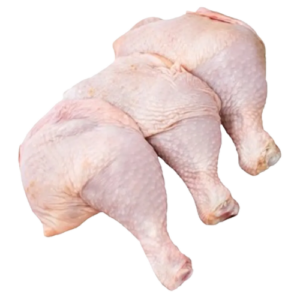
Description
Where to Buy Chicken Legs: A Strategic Sourcing Guide for B2B Buyers
In the competitive landscape of food distribution and service, margins are everything. For restaurants, caterers, and retailers, sourcing the right products at the right price is not just an operational detail—it is the foundation of profitability. Among the various poultry cuts available, chicken legs (comprising the drumstick and thigh) remain a staple due to their flavor, versatility, and affordability. However, finding a consistent answer to where to buy chicken legs that meet commercial standards requires a shift in perspective from retail shopping to strategic procurement.
While it might be tempting to look for local chicken legs on sale for quick fixes, sustainable business growth relies on establishing a robust supply chain. This means engaging in frozen chicken wholesale purchasing from reputable global suppliers. This guide explores the strategic advantages of sourcing chicken legs in bulk, how to vet suppliers, and why this cut is essential for a diversified inventory.
The Commercial Appeal of Chicken Legs
Chicken legs are often the unsung heroes of the poultry world. While breast meat commands a premium for its leanness, leg meat offers distinct advantages that make it indispensable for commercial kitchens and mass-market retail.
Unbeatable Flavor Profile
Chefs and food scientists agree: fat equals flavor. Chicken legs contain higher fat content and connective tissue compared to breast meat. This composition ensures that the meat remains juicy and tender, even under high-heat cooking methods like grilling or frying, or during long, slow braises. For food service operators, this translates to a product that is “forgiving” in a busy kitchen, reducing waste caused by overcooking.
Cost-Efficiency and Profit Margins
When you compare the cost per pound, chicken legs are significantly more affordable than white meat cuts. This lower baseline cost allows businesses to:
- Offer Competitive Pricing: keep menu prices attractive to budget-conscious consumers.
- Increase Margins: maintain healthy profit margins even on lower-priced dishes.
- Versatile Menu Planning: use the savings to invest in premium ingredients for other menu items.
High Consumer Demand
From American barbecue to Asian curries and Latin American arroz con pollo, chicken legs are a global dietary staple. Their universal appeal ensures consistent turnover for wholesalers and retailers, reducing the risk of dead stock. According to the National Chicken Council, consumer consumption of chicken continues to rise, reinforcing the stability of this market.
The Strategic Shift: Frozen Chicken Wholesale
Moving from ad-hoc purchasing to a structured frozen chicken wholesale strategy is a critical step for scaling businesses. While fresh poultry has its place, frozen inventory offers logistical superiority for high-volume buyers.
Supply Chain Resilience
Recent years have taught us the fragility of global supply chains. Relying on just-in-time fresh deliveries can leave businesses vulnerable to shortages. High-quality frozen chicken, processed using Individually Quick Frozen (IQF) technology, allows buyers to hold safety stock without compromising quality. This buffer is essential for navigating market fluctuations.
Locking in Pricing
Commodity prices are volatile. By committing to bulk wholesale orders, buyers can often lock in prices for weeks or months, insulating their operations from sudden price spikes. Instead of chasing a temporary chicken legs on sale offer, a wholesale contract provides financial predictability.
Consistent Grading and Sizing
Wholesale suppliers who specialize in export markets operate under strict grading standards. Whether you need 200g legs for a specific retail pack or bulk catering sizes, wholesale producers can deliver uniform sizing that is critical for portion control and automated processing lines.
How to Find Reliable Suppliers
Determining where to buy chicken legs is about more than a Google search. It involves a rigorous vetting process to ensure safety, legality, and reliability.
Verify Global Certifications
In the international food trade, trust is documented. Never engage a supplier who cannot produce valid, current certifications.
- HACCP (Hazard Analysis Critical Control Point): This is the baseline for food safety. It shows the supplier has a systematic approach to preventing contamination.
- ISO 22000: An international standard that demonstrates a comprehensive food safety management system.
- Halal Certification: If your market includes Muslim consumers, you must verify that the supplier is certified by a recognized body like the World Halal Council.
Assess Export Capabilities
If you are importing, you need a partner who understands the complexities of cross-border trade.
- Documentation: Can they provide health certificates, certificates of origin, and packing lists promptly?
- Logistics: Do they utilize reputable freight forwarders with experience in temperature-controlled shipping (reefer containers)?
- Incoterms: Are they clear on shipping terms (FOB, CIF, etc.)? Understanding these terms is crucial for liability and cost management. The International Chamber of Commerce (ICC) provides essential guidelines on this.
Request Product Specifications and Samples
Don’t rely on generic photos. Request a detailed specification sheet that outlines:
- Weight Range: e.g., 200g-250g per leg.
- Packing Style: e.g., 10kg cartons, layer packed or bulk.
- Freezing Method: IQF or block frozen.
- Origin: Country of origin.
For large initial orders, requesting a sample shipment is a standard risk-management practice.
Navigating “Sales” vs. Strategic Buying
It is common for buyers to search for chicken legs on sale to cut immediate costs. However, in B2B procurement, “cheap” can be expensive in the long run.
- The Hidden Costs of “Deals”: A supplier offering a price significantly below market average may be selling near-expiry stock, freezer-burned product, or goods with compromised packaging.
- The Value of Partnership: A reliable frozen chicken wholesale partner is invested in your long-term success. They are more likely to offer fair pricing consistently, prioritize your orders during shortages, and resolve claims quickly.
Conclusion: Securing Your Competitive Edge
The question of where to buy chicken legs should lead you to a partner, not just a vendor. By prioritizing certified, experienced wholesale suppliers, you position your business to capitalize on the inherent value of this popular poultry cut. Whether you are a distributor ensuring consistent stock for your retail clients or a food service buyer managing food costs, a strategic approach to sourcing chicken legs is a key driver of operational success.
Focus on quality, verify your sources, and leverage the power of bulk purchasing to build a resilient and profitable supply chain.


